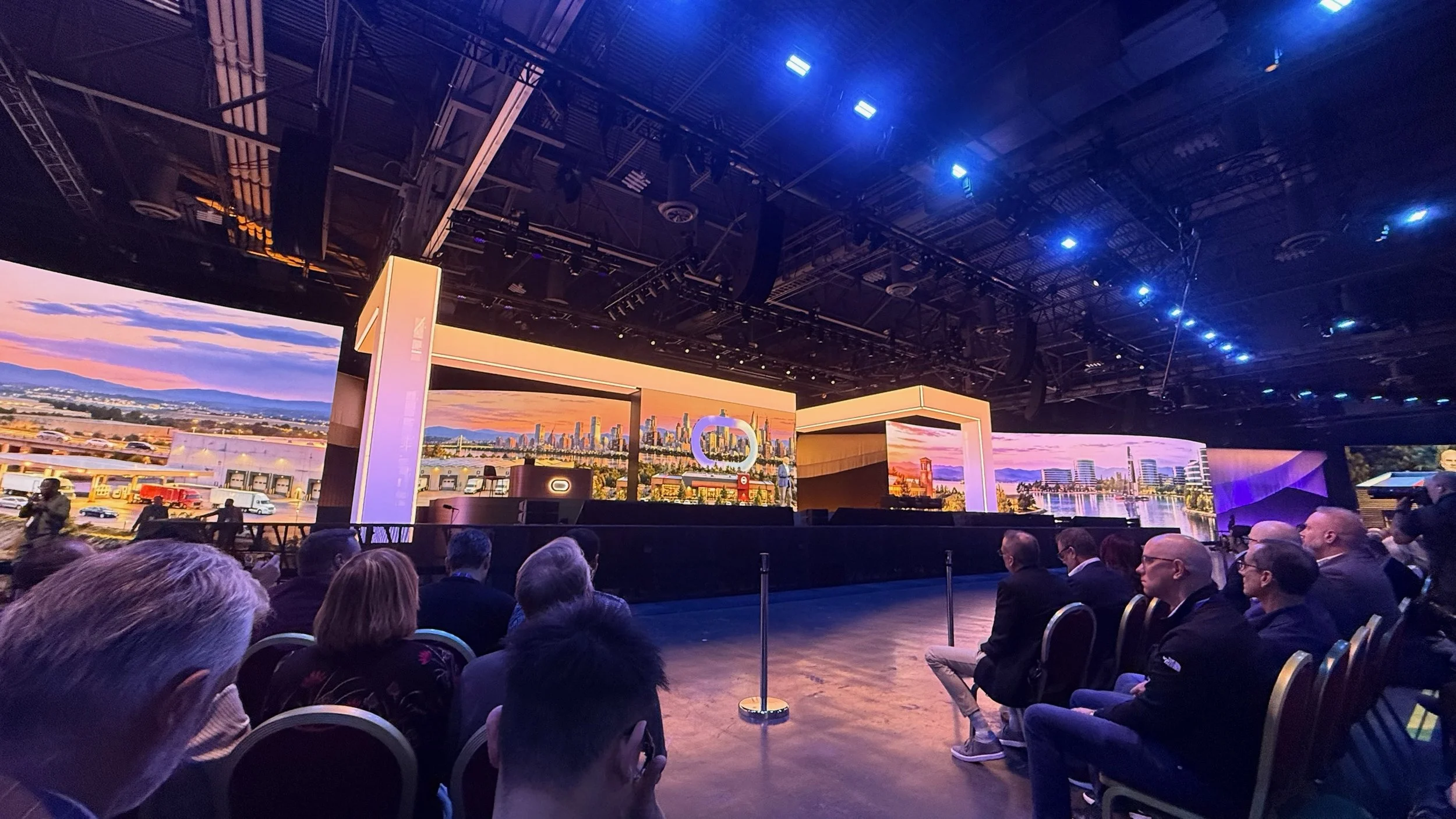
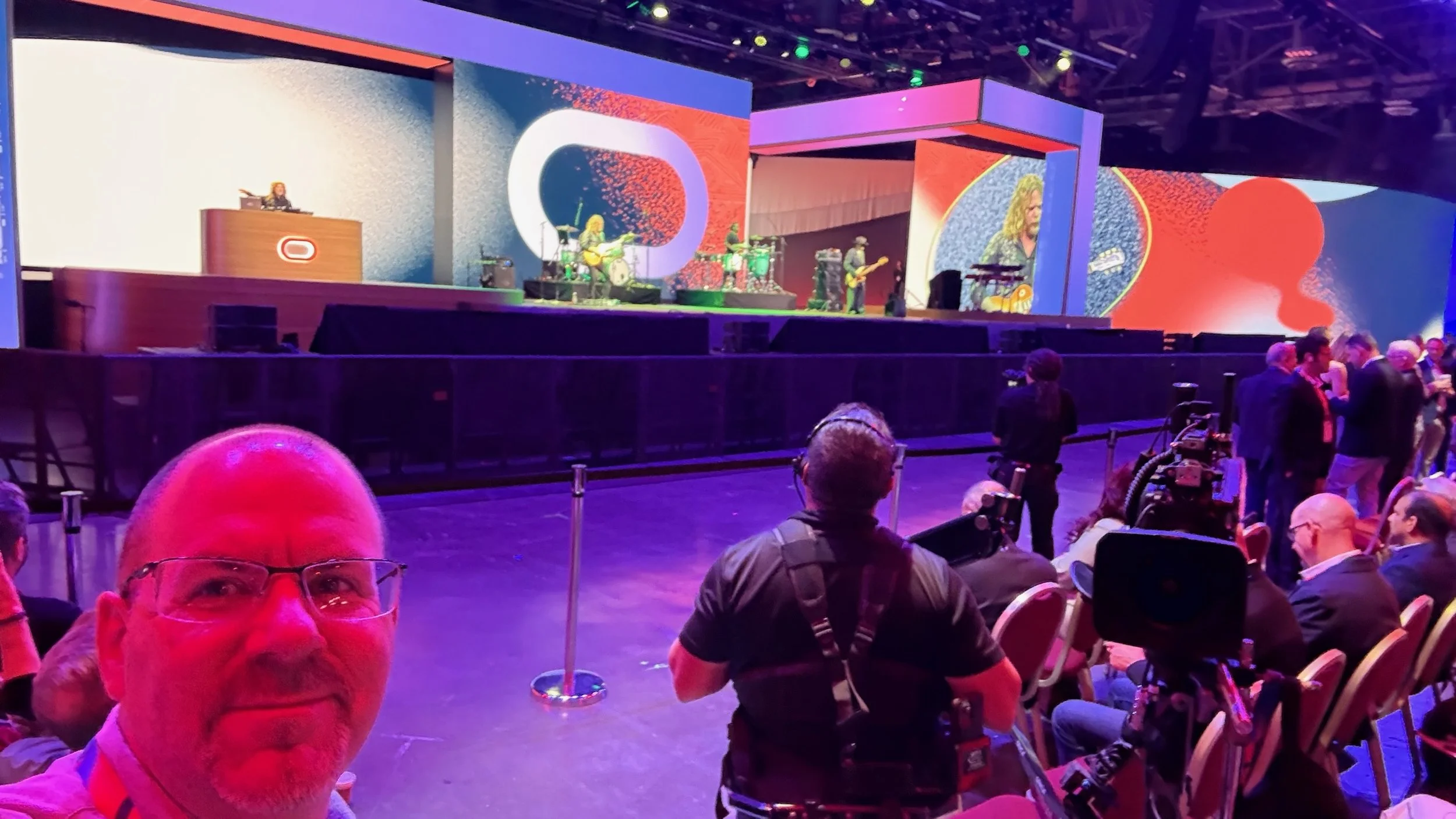
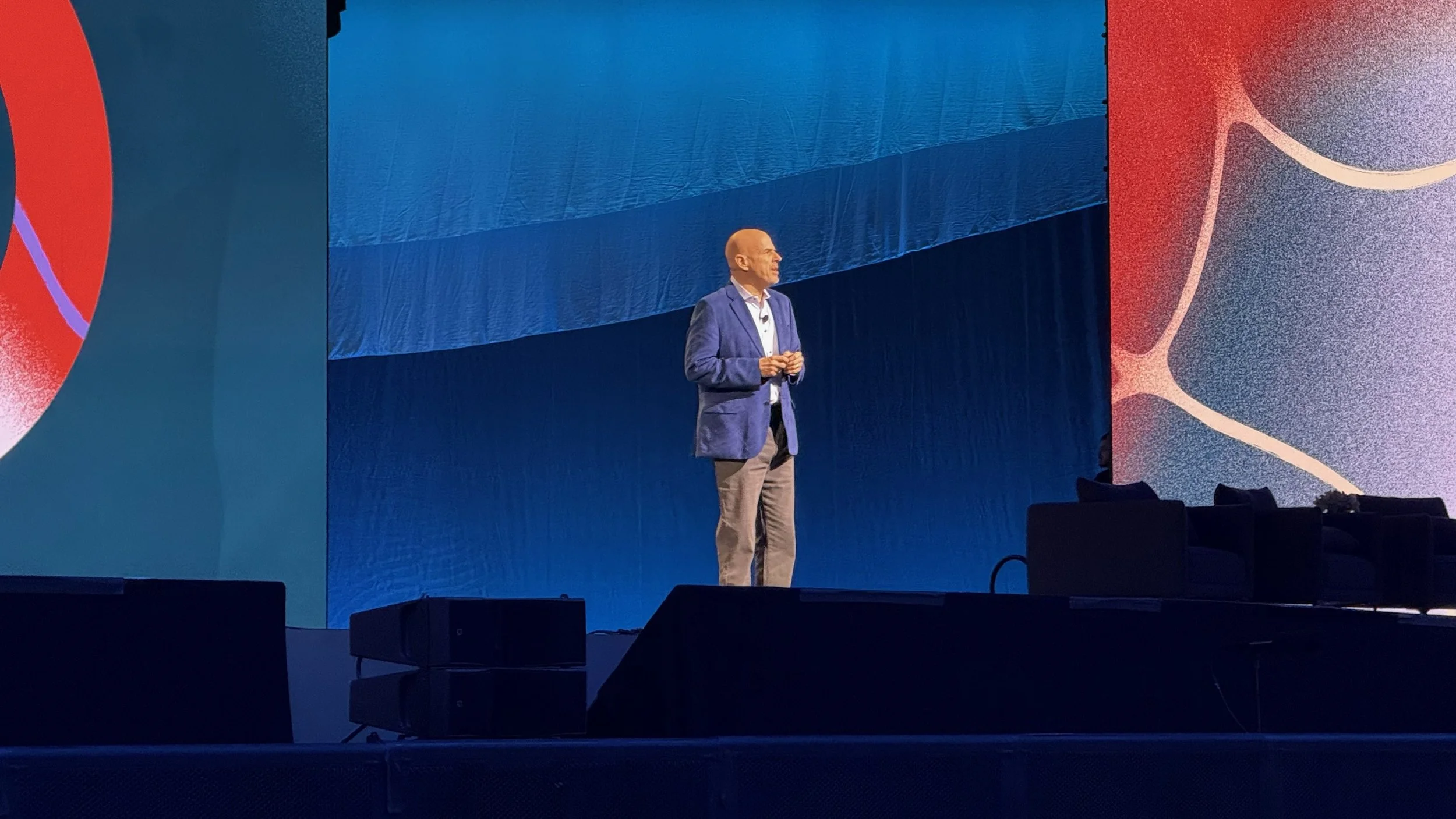
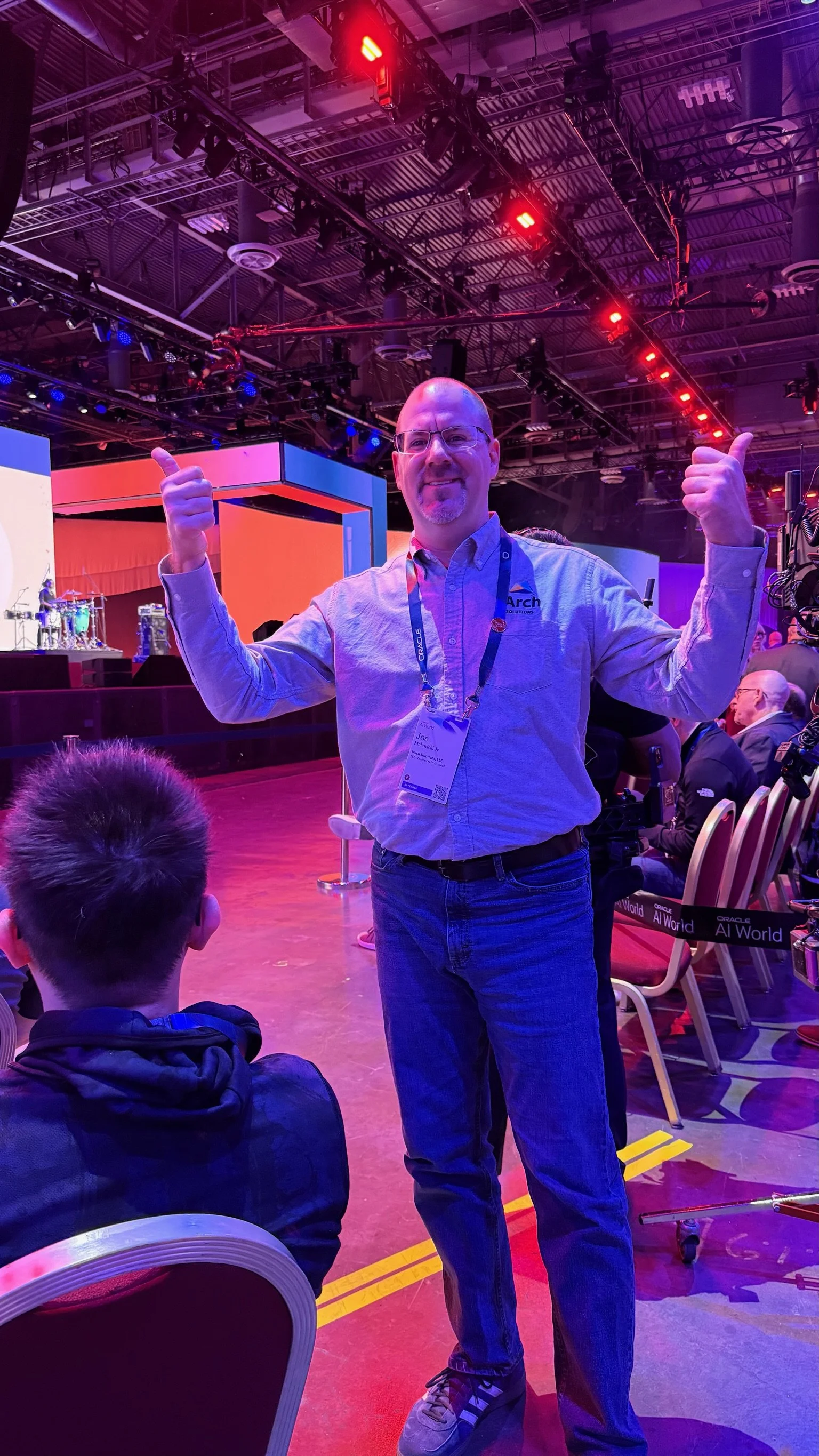
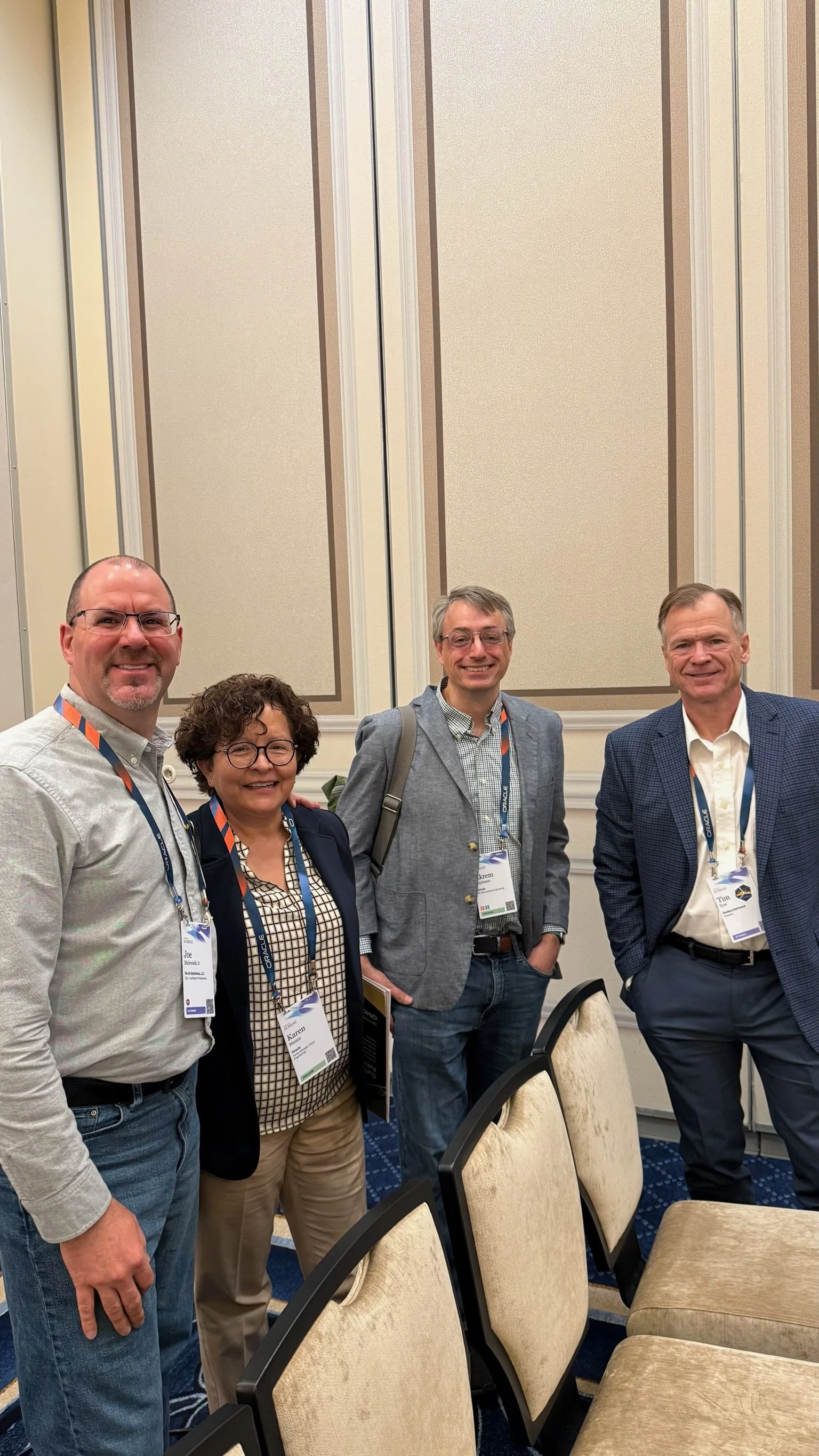
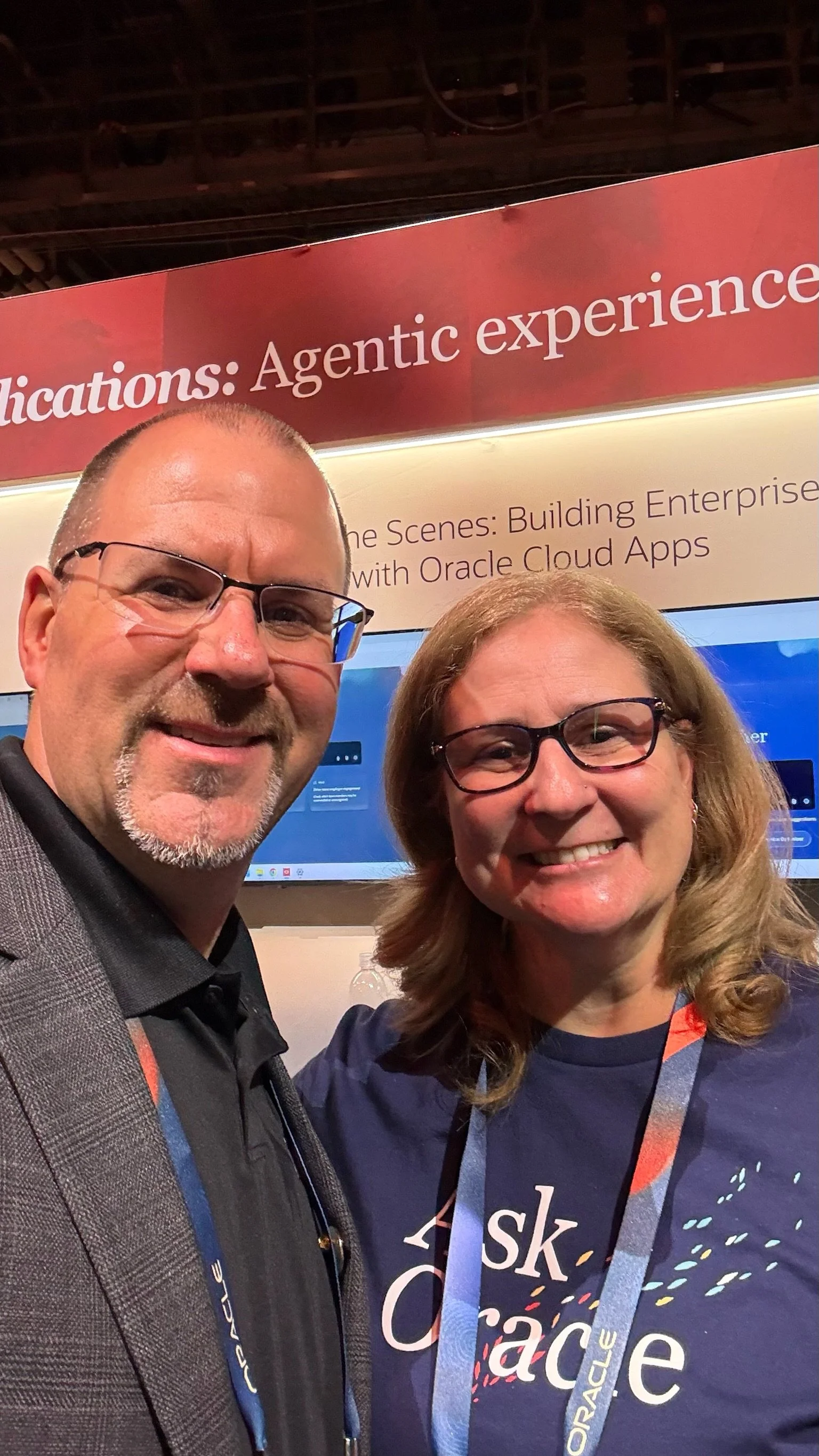
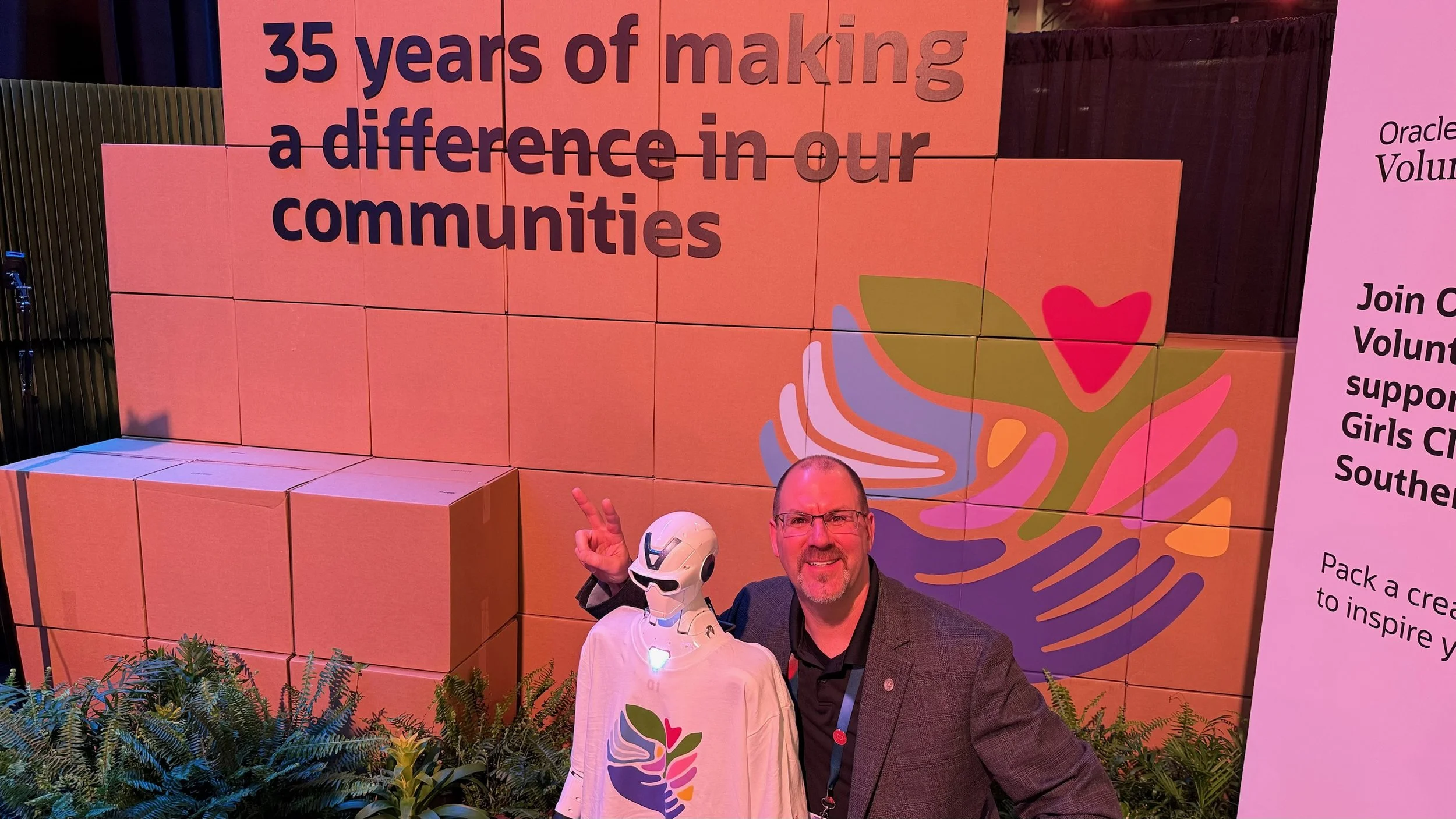
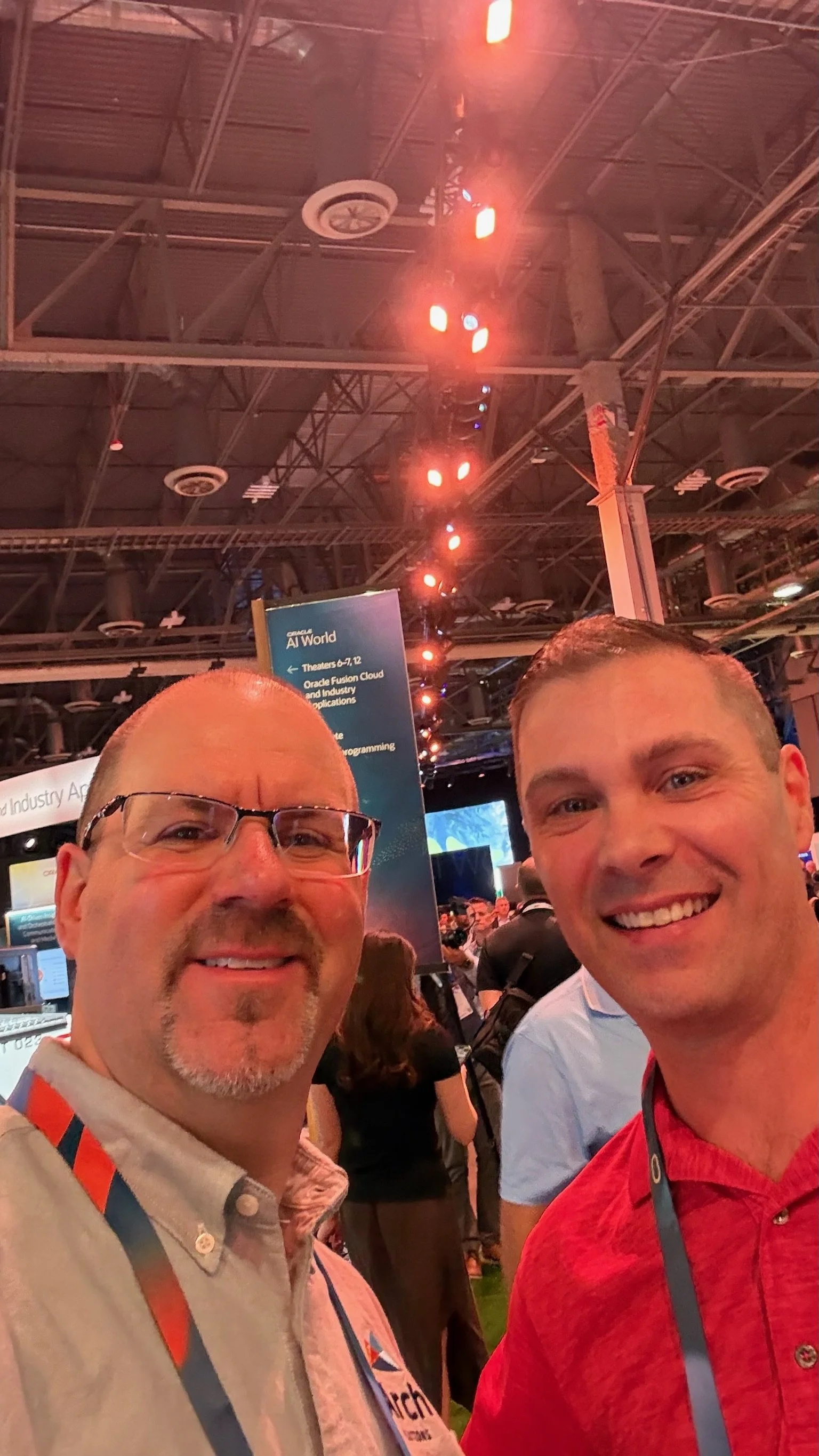
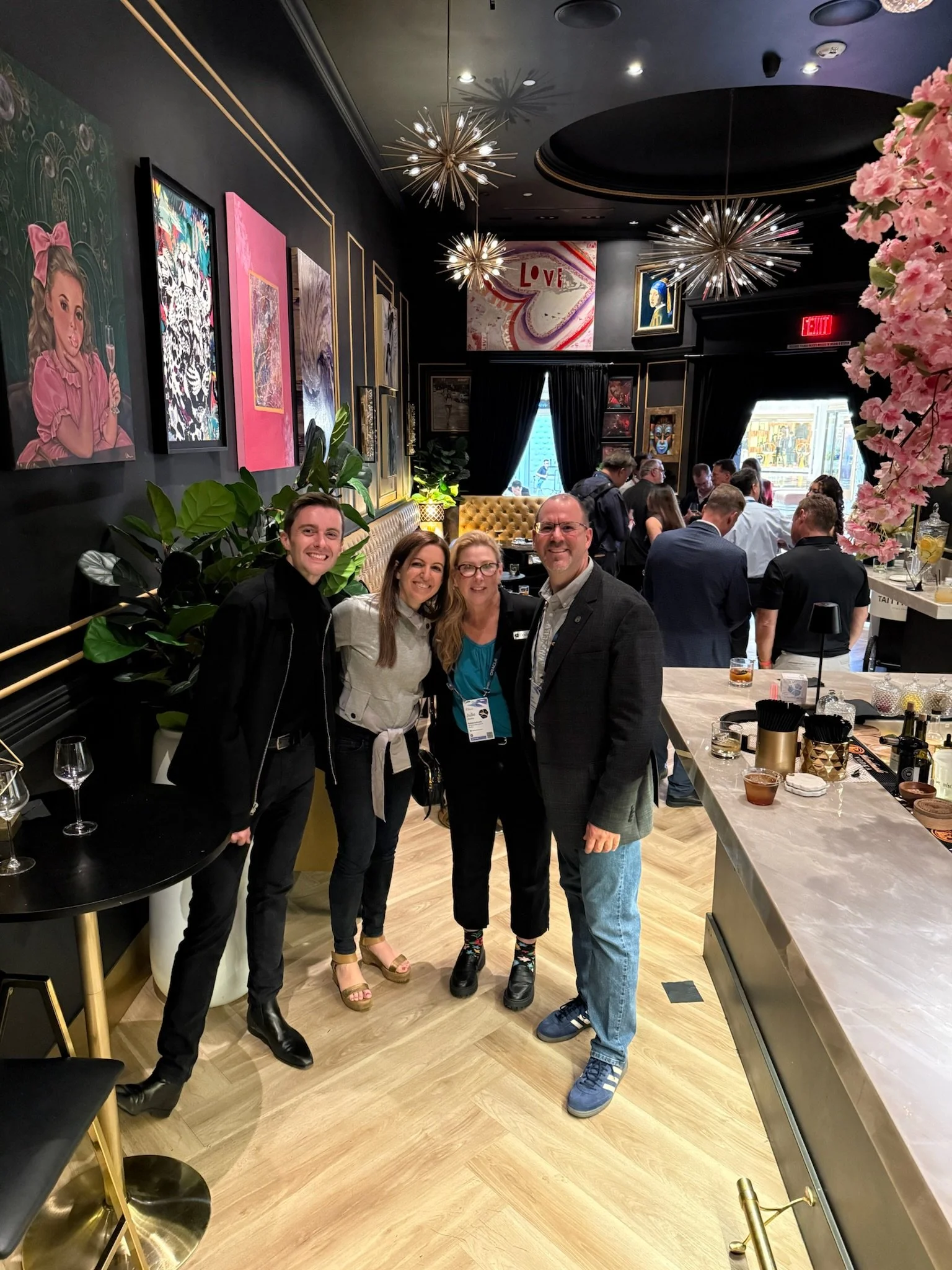
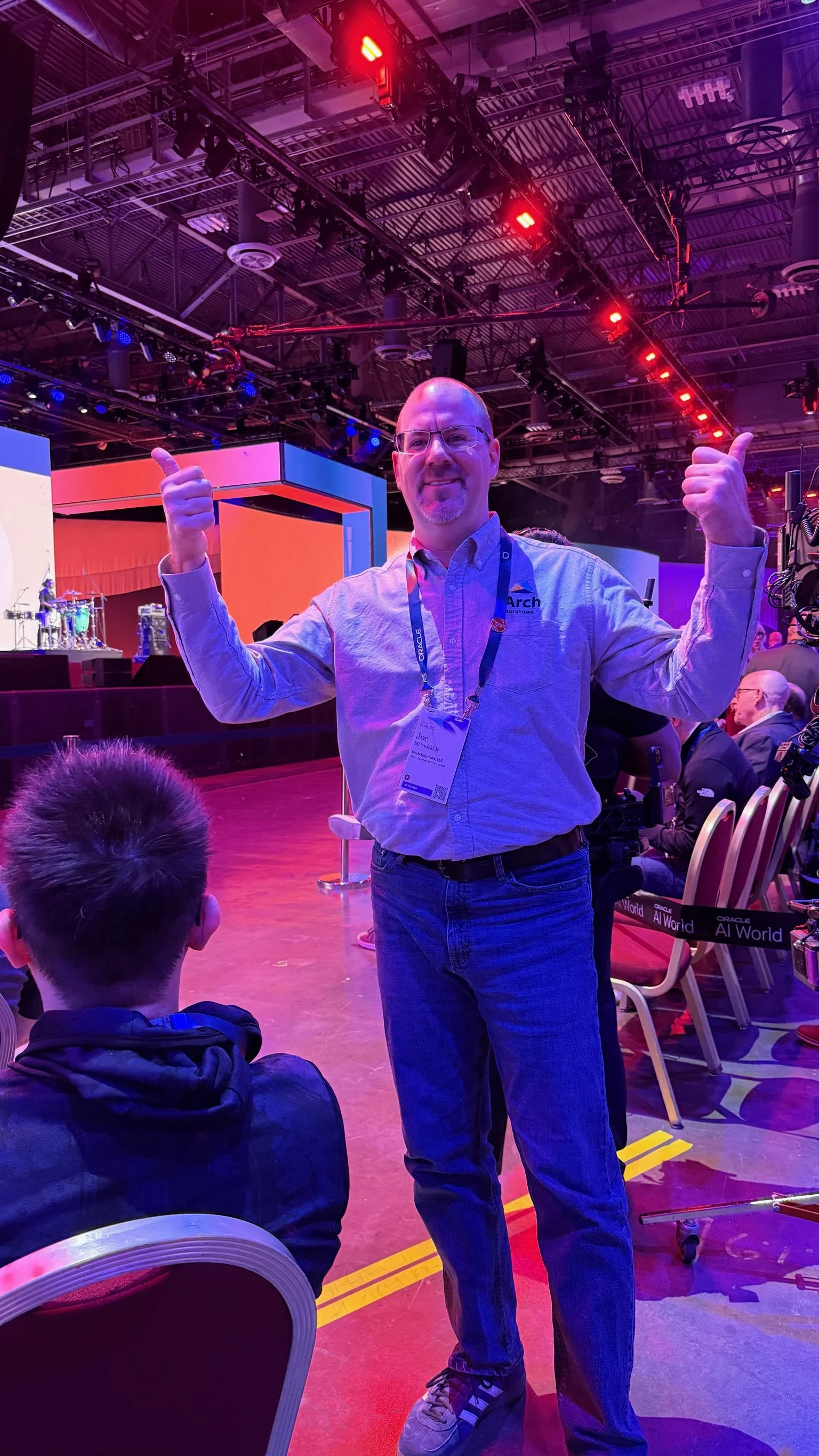
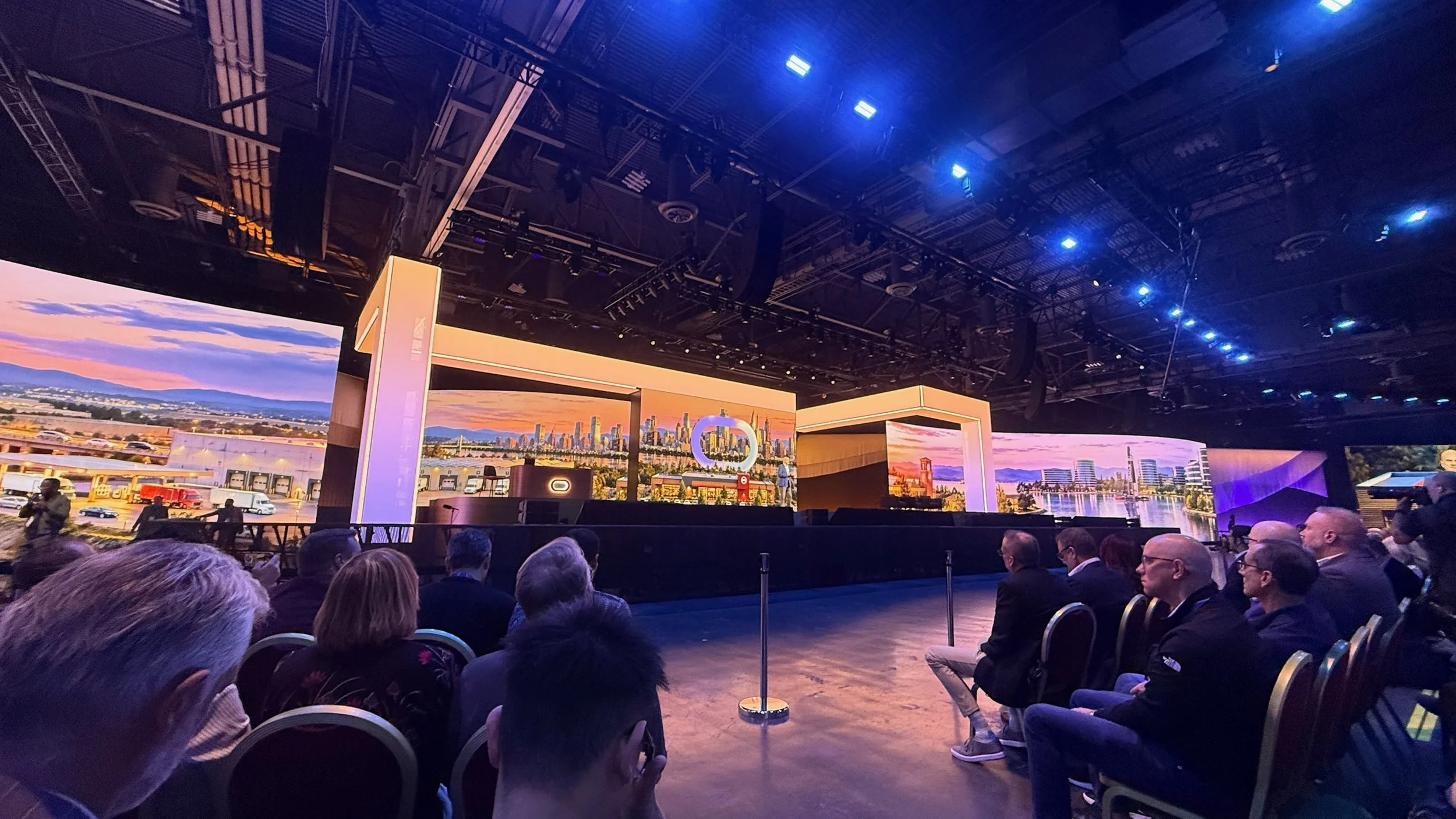
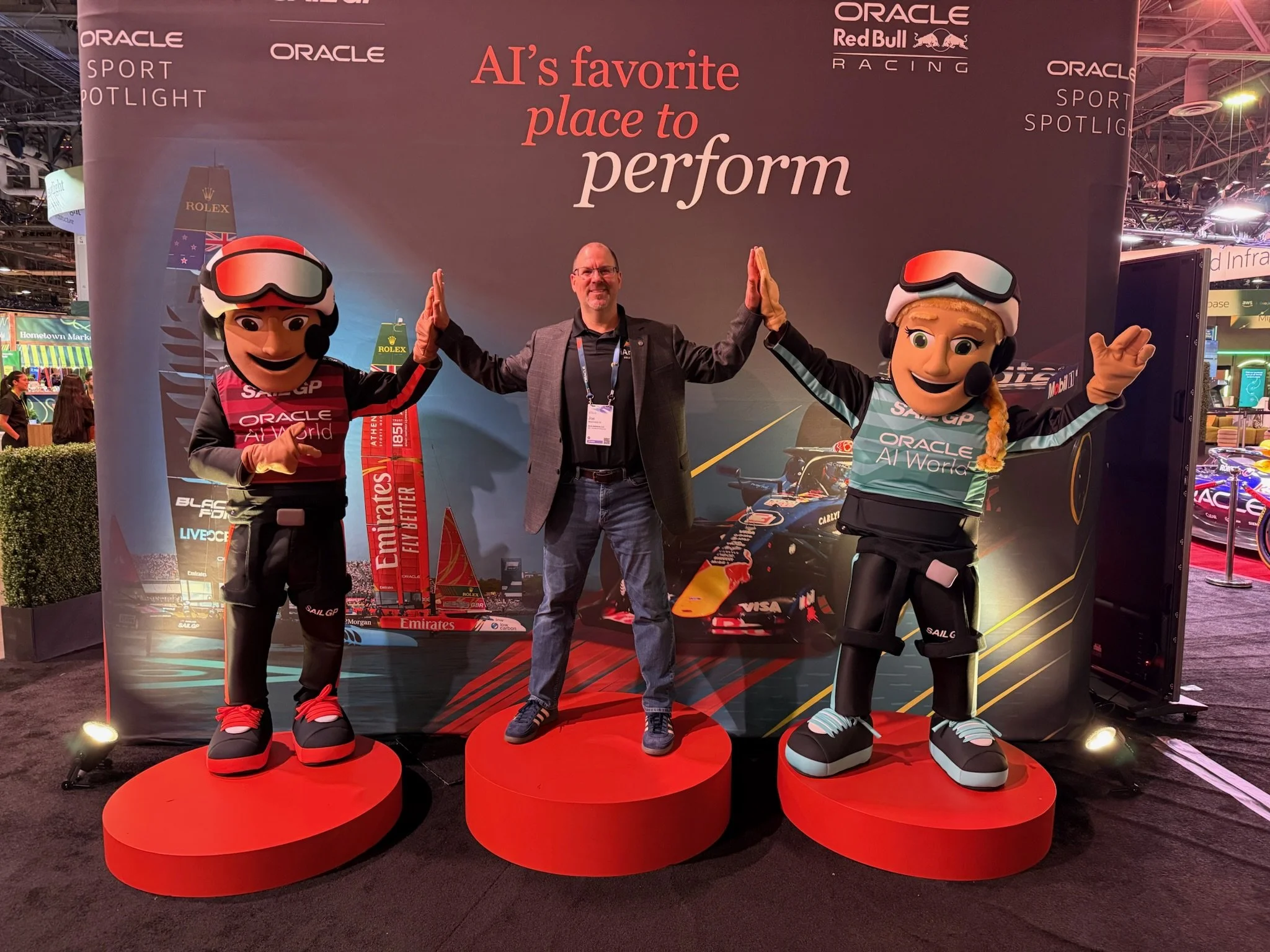
Lots of great takeaways from Oracle AI World this year! There was certainly no shortage of AI announcements, new technologies, and discussions about where Oracle is headed. Some pretty exciting stuff, but also a lot to digest!
A few things really stood out to me, especially when I think about our customers, the work we do at iArch Solutions, and where this technology is going.
One comment that really stuck with me was, "If you have good data, AI is easy."
I like that! And while there's obviously more to implementing AI successfully, there's a lot of truth to it.
We've been talking about clean data, master data, and data integration for decades. Now, with AI becoming such a big part of enterprise technology, those fundamentals are more important than ever.
AI doesn't magically fix bad data. In fact, it can make the problems worse, just a whole lot faster! Garbage in, garbage out still applies.

Essbase: A Familiar Technology with Some Exciting New Opportunities
Anyone who knows me or iArch knows that Essbase has been a huge part of our world for a very long time.
And honestly, one of the things I was most excited about at AI World was seeing how Oracle is bringing Essbase into its broader AI and Autonomous AI Lakehouse strategy.
For decades, Essbase has been an incredibly powerful analytical engine. It's helped organizations take enormous amounts of data and turn it into meaningful business information through multidimensional analysis, complex calculations, forecasting, modeling, and what-if scenarios.
That's what Essbase does exceptionally well, and it's something we've been helping customers take advantage of for years.
But here's what I find particularly exciting about Oracle's new direction.
This isn't just about existing Essbase customers anymore.
With Essbase's analytical capabilities becoming part of Oracle Autonomous AI Lakehouse, organizations that have never used Essbase now have an opportunity to take advantage of that same powerful multidimensional engine.
Think about a company with large amounts of operational, financial, or sales data sitting in a data warehouse or lakehouse. They've got the data, but turning it into meaningful analysis, modeling different business scenarios, and understanding the impact of decisions can still be challenging.
That's where Essbase can really shine.
Imagine being able to analyze profitability across products, regions, and customers, model different pricing strategies, forecast business performance, or run complex what-if scenarios, all using the analytical capabilities Essbase has been delivering for years.
Now add AI-assisted model creation and natural-language interaction, making some of those capabilities more accessible to business users who may never have worked with Essbase before.
That's a pretty interesting combination!
And for our existing Essbase and EPM customers, there's an equally important message: Your investments in these technologies still matter, and there are new opportunities to build on them.
I don't see this as throwing away what organizations have spent years building. I see it as an opportunity to modernize, extend, and get even more value from those investments.


And Here's Another Big Deal: Multicloud!
One of the other announcements I found particularly interesting was the continued expansion of Oracle's multicloud strategy.
Oracle Autonomous AI Lakehouse is available across OCI, Microsoft Azure, AWS, and Google Cloud, and Oracle is bringing Essbase's analytical capabilities into that environment.
Think about what that means.
You don't necessarily have to be an OCI customer to take advantage of these technologies.
If your organization has standardized on Azure, AWS, or Google Cloud, you can explore Oracle's Autonomous AI Lakehouse and Essbase capabilities within your existing cloud strategy.
That's significant!
For years, conversations about Oracle technology often started with where the infrastructure was going to live. Now the conversation can increasingly start with what the business is trying to accomplish.
And that's exactly where I think it should start.
Does this mean every company should suddenly deploy Essbase or Oracle AI Lakehouse? Of course not!
But it does mean organizations have more choices, and technologies that may not have been on their radar before are now worth another look.
At iArch, we've always believed the technology needs to fit the customer, not the other way around. If OCI makes sense, great. If Azure, AWS, or Google Cloud is the better fit, that's where the conversation should go.
The important thing is understanding the options and making the right decision for the business.
From Systems of Record to Systems of Outcomes
Another theme throughout AI World was Oracle's vision of moving from traditional "systems of record" toward what they're calling "systems of outcomes."
I thought this was a great way to describe where enterprise AI is headed.
For years, business applications have been focused on capturing information, managing transactions, generating reports, and supporting the people doing the work.
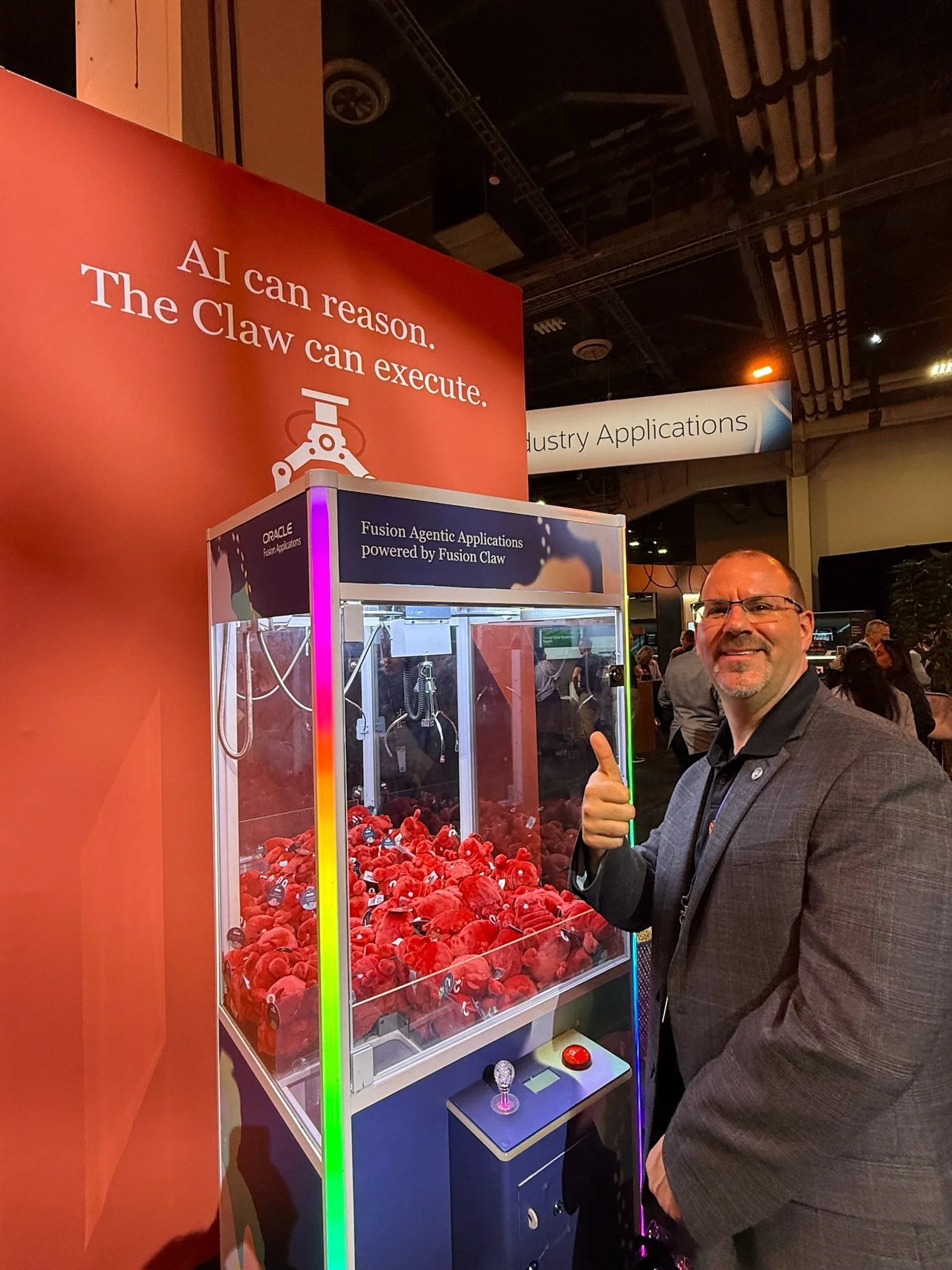
Now Oracle is talking about agentic AI applications that can go much further.
Instead of simply answering a question or generating a report, AI agents can increasingly help execute business processes, coordinate activities across applications, and work toward specific outcomes.
Think about what that could mean for finance teams.
Today, FP&A and financial consolidation teams spend enormous amounts of time collecting information, reconciling data, preparing reports, and working through repetitive processes.
What if AI could handle more of that work, allowing those same teams to spend more time understanding the numbers, evaluating different scenarios, and helping the business make better decisions?
That's the opportunity.
And I think the combination of Essbase's analytical capabilities, Oracle EPM, and these new agentic technologies could become particularly interesting.
Of course, not everything demonstrated at AI World is available today. Some of these capabilities are still being developed and will take time to mature.
But the direction is pretty clear.
Don't Forget the Data!
With all the excitement around AI agents, new applications, and automation, I think there's a risk of overlooking something pretty fundamental.
The data still matters. A lot!
One of the interesting discussions at AI World was around moving beyond traditional data lineage toward understanding decision lineage.
It's one thing to know where data came from. It's another to understand how that data, along with business definitions, calculations, assumptions, and processes, contributed to a particular decision.
That's where technologies like Oracle AI Data Platform, Data Studio, Autonomous AI Lakehouse, and the new semantic capabilities become interesting.
They can help provide the business context AI needs to produce more meaningful and reliable results.
Here's a simple example.
Ask two different departments what "employee expense" means, and you might get two different answers. Both could be perfectly valid within their own business context.
But if an AI agent doesn't understand those differences, how confident should you be in its answer?
That's why clean master data, consistent business definitions, and a solid understanding of how information moves between systems are so important.
Before getting too excited about what AI can do with your data, make sure you understand the data you're giving it.
Not the flashiest message from an AI conference, but probably one of the most important!

What Does This Mean for iArch and Our Clients?
For us at iArch Solutions, there's a lot to be excited about.
We've spent years helping organizations implement, manage, support, and modernize Oracle environments, particularly around Essbase, Hyperion, EPM, and Oracle Cloud Infrastructure.
And now we're seeing opportunities to build on that experience in some new ways.
For existing customers, that might mean modernizing an Essbase environment, exploring new analytical capabilities, improving data integration, or understanding how Oracle's AI roadmap could complement what they already have.
For organizations that have never used Essbase, it might mean introducing them to powerful analytical and modeling capabilities they didn't realize were available to them, particularly through Oracle's new multicloud Lakehouse offerings.
And for others, it might simply mean helping them understand what all these new technologies actually do and whether they make sense for their business.
Because here's the thing.
Not every new technology is right for every customer.
I have no problem telling a client that something isn't the right fit, that the technology isn't mature enough yet, or that they'd be better off improving what they already have before investing in something new.
There's plenty of excitement around AI right now, and rightfully so. But there's also a lot of noise.
I think part of our responsibility as a technology partner is helping businesses separate what's real and useful today from what's coming down the road.
Sometimes the right answer is a new AI initiative. Sometimes it's moving an aging Essbase environment to a modern cloud platform. And sometimes it's fixing data quality or improving an existing business process.
It all depends on what each client is trying to accomplish.

Looking Ahead
If there's one thing I walked away from Oracle AI World thinking, it's that we're entering a pretty interesting period for enterprise technology.
AI is going to change how organizations interact with their systems, how work gets done, and how business decisions are made.
But I don't see this as abandoning everything we've built over the past several decades.
Quite the opposite.
Technologies like Essbase, along with the data, business logic, and processes organizations have invested in over the years, have an important role to play in this evolution.
And with Oracle bringing these capabilities into its broader AI strategy and making them accessible across multiple cloud platforms, I think we're going to see some interesting opportunities for both existing Oracle customers and organizations that have never considered Essbase before.
There's a lot to learn, a lot still coming, and plenty of work ahead.
But I'm excited about where this is going, and even more interested in helping customers figure out what actually makes sense for them.
Because at the end of the day, the goal isn't to use AI just because it's the latest thing. It's to use technology to solve real problems, make better decisions, and help businesses operate more effectively.
And that's what makes all of this interesting to me.
Joe Malewicki
CEO & Founder, iArch Solutions